Ditapis dengan

Easy Language – plain language – easy language plus :balancing comprehens…
This book shows how accessible communication, and especially easy-to-understand languages, should be designed in order to become instruments of inclusion. It examines two well-established easy-to-understand varieties: Easy Language and Plain Language, and shows that they have complementary profiles with respect to four central qualities: comprehensibility, perceptibility, acceptability and stig…
- Edisi
- -
- ISBN/ISSN
- 9783732992997
- Deskripsi Fisik
- 301 p.
- Judul Seri
- -
- No. Panggil
- 428.2 MAA e

Easy language research :text and user perspectives
This volume presents new approaches in Easy Language research from three different perspectives: text perspective, user perspective and translation perspective. It explores the field of comprehensibility-enhanced varieties at different levels (Easy Language, Plain Language, Easy Language Plus). While all are possible solutions to foster communicative inclusion of people with disabilities, they …
- Edisi
- -
- ISBN/ISSN
- 9783732993024
- Deskripsi Fisik
- 285 p.
- Judul Seri
- -
- No. Panggil
- 417.0721 EAS e
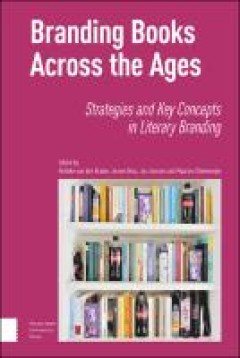
Branding books across the ages:strategies and key concepts in literary branding
As marketing specialists know all too well, our experience of products is prefigured by brands: trademarks that identify a product and differentiate it from its competitors. This process of branding has hitherto gained little academic discussion in the field of literary studies. Literary authors and the texts they produce, though, are constantly 'branded': from the early modern period onwards, …
- Edisi
- -
- ISBN/ISSN
- 9789048544400
- Deskripsi Fisik
- 372 p.
- Judul Seri
- -
- No. Panggil
- 002.09 BRA b

Literary translation, reception, and transfer
The three concepts mentioned in the title of this volume imply the contact between two or more literary phenomena; they are based on similarities that are related to a form of ‘travelling’ and imitation or adaptation of entire texts, genres, forms or contents. Transfer comprises all sorts of ‘travelling’, with translation as a major instrument of transferring literature across linguisti…
- Edisi
- -
- ISBN/ISSN
- 9783110641998
- Deskripsi Fisik
- IX, 501 p.
- Judul Seri
- -
- No. Panggil
- 418.04 LIT l
 Karya Umum
  Filsafat
  Agama
Agama  Ilmu-ilmu Sosial
  Bahasa
  Ilmu-ilmu Murni
  Ilmu-ilmu Terapan
  Kesenian, Hiburan, dan Olahraga
  Kesusastraan
  Geografi dan Sejarah